
EU Customs Reform 2026: The New Product Identifier Requirement Every Non-EU eCommerce Brand Must Prepare For
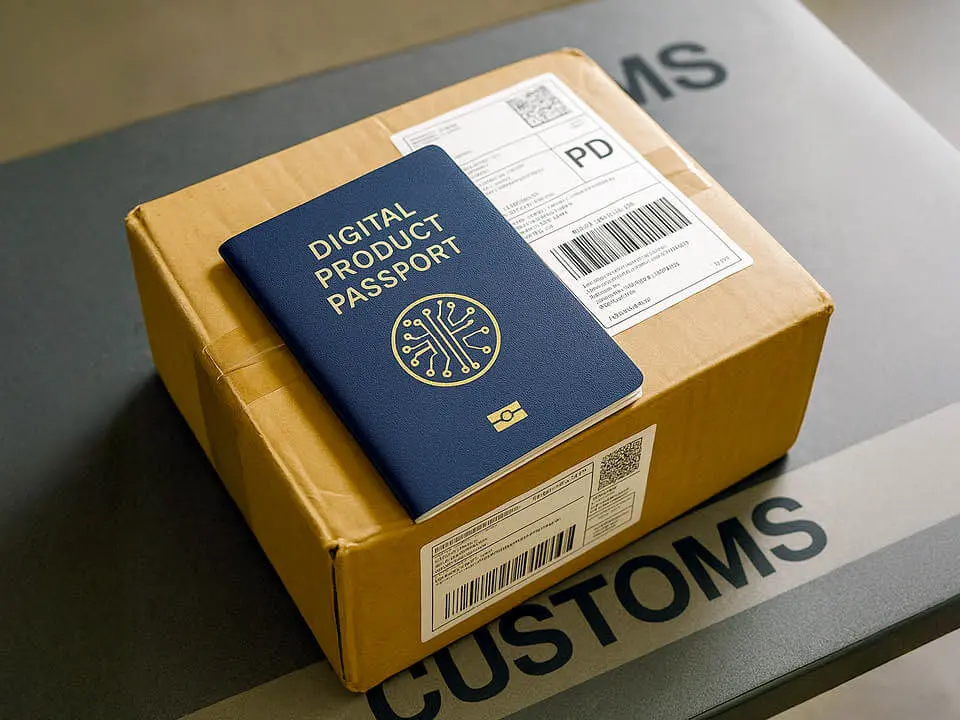
The EU’s 2026 customs reform introduces a new mandatory Product Identifier for B2C imports, creating a critical compliance change for non-EU eCommerce brands acting as their own Importer of Record.
What changes in November 2026
From November 1, 2026, B2C goods imported into the EU27 will require a mandatory line-item Product Identifier for customs clearance. For retail brands outside the EU that sell into European consumers, this is not a minor data tweak—it is a new clearance requirement that affects product master data, checkout systems, and shipment feeds.
The reform applies at line-item level and is designed to make products easier to track throughout the supply chain. In practice, finance and supply chain leaders should treat it as a customs data readiness project, not just a shipping update.
What counts as a Product Identifier
The new requirement covers several identifier types. The merchant product identifier is mandatory, and the non-standardised manufacturer product identifier is also mandatory. If a standardised manufacturer identifier exists, such as GTIN, MPN, or EAN, it can be included as well.
For many eCommerce brands, this means the customs record must align with internal SKU structures and supplier product data. If your catalogue contains inconsistent product naming or incomplete item master data, the risk of delayed clearances rises quickly.
Why CFOs should care
This reform has direct financial consequences. Missing or inconsistent product identifiers can lead to customs holds, delayed deliveries, higher brokerage friction, customer dissatisfaction, and avoidable operational cost.
For CFOs and Controllers, the issue is not only compliance exposure but also margin protection. If shipments stall at the border, the business can face extra fulfilment expense, support overhead, and potential revenue leakage from failed delivery experiences.
Why supply chain teams should care
Supply chain teams will need to confirm that product identifiers flow correctly from product master data to order management, shipping labels, and customs declarations. If the merchant identifier and manufacturer identifier do not map cleanly across systems, clearance issues can follow.
This is especially important for brands that use multiple warehouses, third-party logistics providers, or multi-carrier shipping setups. The more handoffs in the process, the more important data consistency becomes.
What non-EU brands should do now
Start by auditing your SKU catalogue and identifying which product identifiers already exist. Then compare those fields against the data currently transmitted in customs and carrier feeds.
Next, close any gaps in product master data and confirm that your brokerage and logistics partners can receive the required identifiers at line-item level. Finally, build internal ownership across finance, supply chain, and eCommerce operations so the compliance change is tracked as a cross-functional project.
Practical readiness checklist
- Review every SKU sold into the EU27.
- Confirm merchant product identifiers are available and consistent.
- Collect manufacturer identifiers from suppliers where possible.
- Validate whether standardized codes such as GTIN, MPN, or EAN exist.
- Check that customs data fields can pass line-item identifiers.
- Test readiness with brokers, carriers, and fulfillment partners before November 1, 2026.
The business risk of waiting
Waiting until the deadline is risky because customs data changes often take longer than expected across ERP, commerce, and logistics systems. Teams typically need time to clean product data, align partners, and test the end-to-end flow.
Brands that prepare early will be better positioned to avoid clearance delays and protect customer experience during peak shipping periods. For companies selling into the EU at scale, that preparation is now a competitive advantage.
About TDR Trade Duty Refund helps brands recover import duties on cross border sales, unlock duty-free selling advantages, and improve margins across global markets. TDR simplifies customs duty recovery and trade compliance so businesses can save money and sell more competitively worldwide.
Learn more at tradedutyrefund.com